01 · Overview
Overview
The biggest limit of rotary-wing UAVs is short flight time. This station lets drones land and charge by cable on their own, without human intervention. It was Mayfly's ~one-year, KOSGEB-funded advanced-technology R&D project.
A solar-assisted, fully autonomous wired charging station that talks MAVLink. It was Mayfly's KOSGEB advanced-technology project; I designed the system architecture and wrote all the embedded firmware single-handedly.
Tech stack
The biggest limit of rotary-wing UAVs is short flight time. This station lets drones land and charge by cable on their own, without human intervention. It was Mayfly's ~one-year, KOSGEB-funded advanced-technology R&D project.
I designed the system architecture and wrote all of the STM32-based embedded firmware (C/C++) and the MAVLink communication single-handedly. This is where I first coded flawless MAVLink communication on an STM32 — my first professional step into industrial drone and MAVLink work.
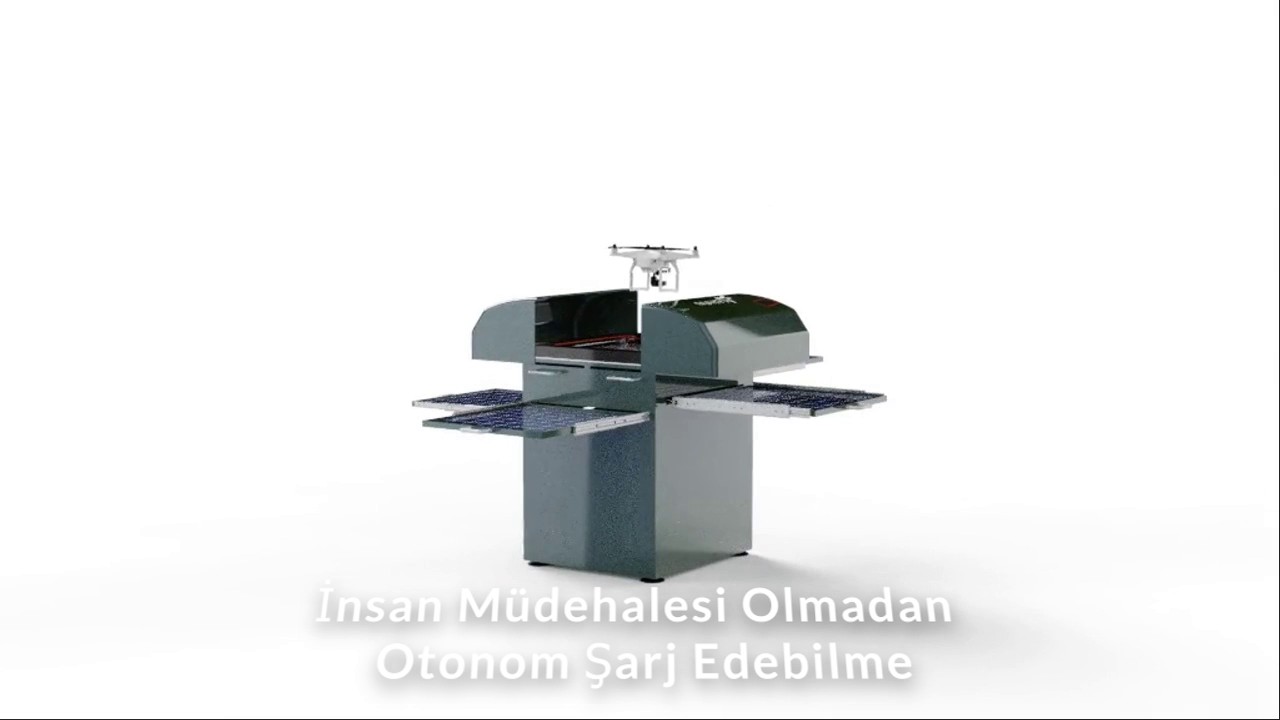
The STM32 control board reads voltage/current sensors, drives step motors and relays, and communicates with the UAV over RFD900x using MAVLink. On the power side, a solar panel + grid backup is managed by a BMS for balanced charging. As the UAV approaches, the station's covers/panels open, the drone aligns and lands autonomously, and charges with no human intervention.
Target specs of the designed station: 600 W/h solar generation, grid backup, <50 kg, 1000×1000×1500 mm, 3 km comms range, <60 min charge for a micro UAV, IP65, portable by two people, compatible with different drone systems. In the first phase I experimentally verified that Li-Po cells can be charged this way with a 150 W panel and designed the balanced-charging (BMS) architecture. The project received significant KOSGEB funding.
With STM32-based embedded firmware and MAVLink communication, I can design autonomous stations that need no human intervention.
Tell the assistant what you need — we will talk through whether I can build something like this, the approach and the free first step right away, and it books a time that suits you.
Book a free discovery call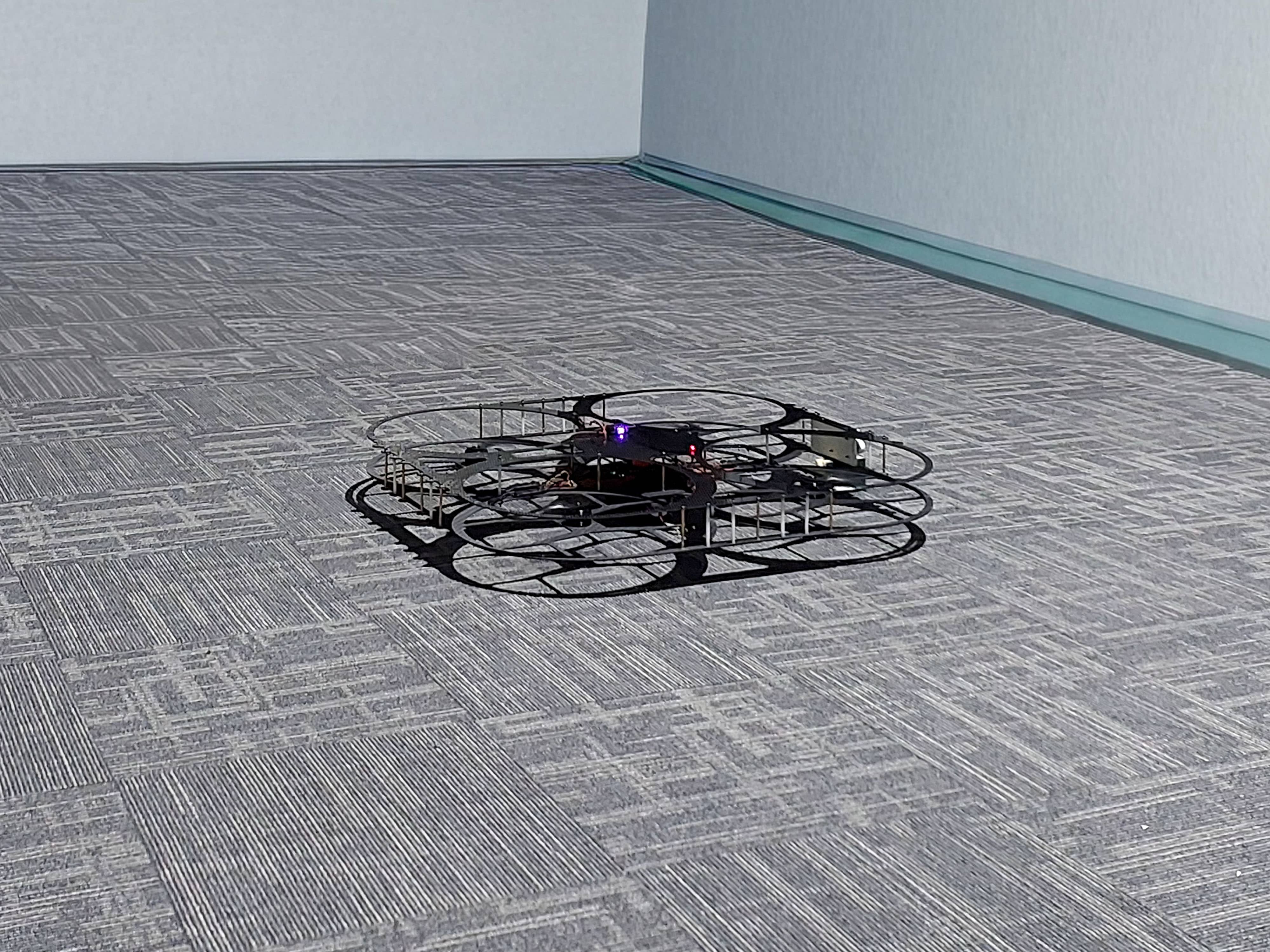 Mayfly · Turkey's first GPS-denied 5G UAV5G-Enabled GPS-Denied UAVOne of Turkey's first private-5G UAVs able to operate in GPS-denied (indoor/factory) environments. We built one drone in 15 days; I owned the system architecture and the control/communication software.
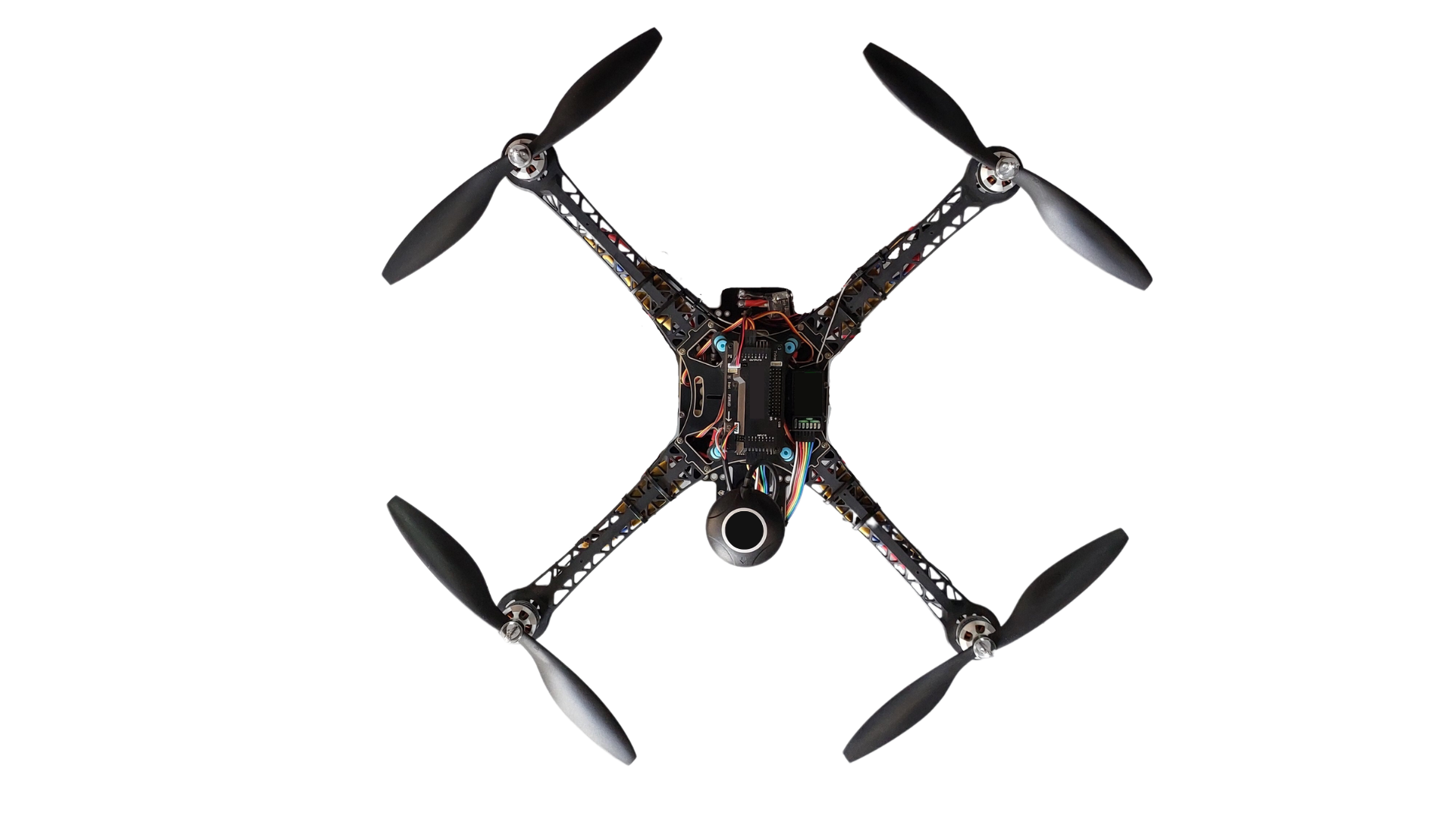 Mayfly · EdTech productDrone Training KitAn open-source, assemble-disassemble training-drone product built at Mayfly. I worked on software and product development, and trained the instructors myself.
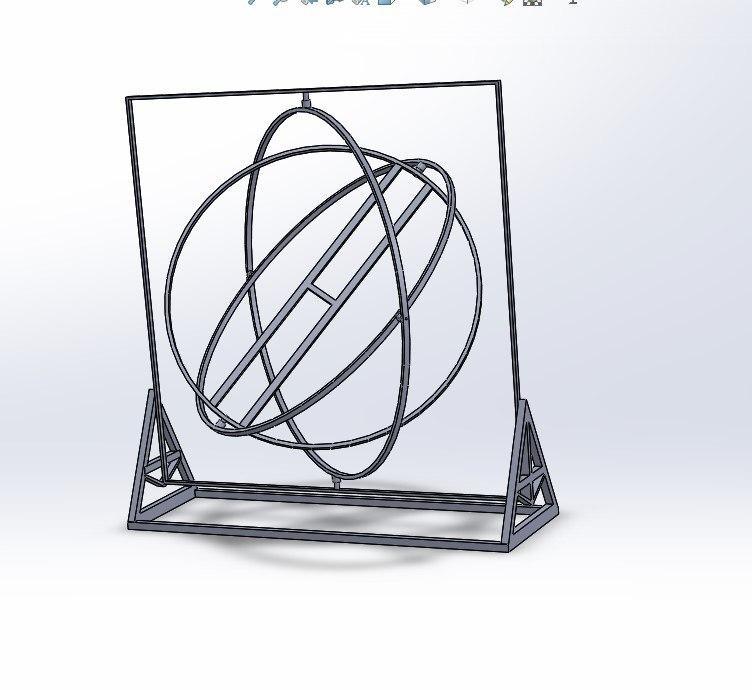 R&D test rigDrone Test PlatformA rig where a drone's controller software and thrust system can be tested safely on the ground, without flying.